
You've probably tried everything.
The 504 plan. The meetings with teachers. The tutor three nights a week. The conversations in the car where your child says they're fine, but you know they're not.
Your kid isn't struggling because they lack intelligence or motivation. They're struggling because a classroom of 25 students was never designed to notice when they get lost, or when they check out entirely.
This is where many Florida families find themselves before discovering what's often called micro-schooling: private education built around small class sizes, individual attention, and the radical idea that the school should adapt to the student, not the other way around.
At its core, this model is simple: fewer students per class means teachers actually know your child.
At Score Academy's Florida campuses, in Miami, Boca Raton, Palm Beach Gardens, Wellington, and Coral Springs, classes are capped at four to six students. Some courses are delivered one-to-one. This isn't a marketing number. It's the structural foundation that makes everything else possible.
In a class of four, a teacher sees the moment confusion appears on a student's face. They catch the missed concept before it compounds into three weeks of falling behind. They notice when a student who usually participates goes quiet.
There's nowhere to hide. But there's also nowhere to fall without someone catching you.
This model is fully accredited through Cognia, which means transcripts transfer, GPAs count, and diplomas open the same doors as any other accredited Florida private school.
Families typically arrive here through one of three doors.
Students whose lives don't fit a bell schedule. These are competitive athletes training twenty hours a week. Young performers balancing auditions with algebra. Student entrepreneurs building real businesses while earning their diploma. They're capable, often exceptional, but their schedules make traditional school attendance impossible.
At Score Academy, a tennis player might complete morning academics before afternoon training. An actor can shift their entire schedule around a six-week shoot. The flexibility isn't a perk; it's the point.
Students who need to be seen. Some students arrive after years of slipping through the cracks in larger schools, not because they lacked ability, but because no one noticed them struggling until it became a crisis. Others are managing anxiety, ADHD, depression, or the aftermath of bullying that made school feel unsafe.
In a small environment, accommodations happen naturally. A student who needs to step out briefly to regulate can do so without paperwork or stigma. A student who thinks better while pacing has room to pace. The goal is always the same: remove the barriers between the student and their learning.
One family recently enrolled a student with a severe attachment disorder. During the transition period, the parent worked quietly from an empty office on campus, available if needed, invisible if not, until the student built enough security to thrive independently. That kind of flexibility simply doesn't exist in traditional school models.
Students who were doing fine until they weren't. Sometimes a family has no history of academic concerns. Their child was succeeding, even thriving, until something shifted: a move, a loss, a pandemic, a social rupture that made school unbearable. These students don't need remediation. They need a reset, a place to stabilize, rebuild confidence, and remember that they're capable.
The decision usually isn't about academics alone.
Yes, the small class sizes mean better instruction. Yes, the flexibility accommodates complicated lives. But what families describe most often is something harder to quantify: their child is known.
This is Score Academy's founding philosophy, Be Known, and it shows up in ways both small and significant.
At Score Academy, every student has the head of school's cell phone number. Not a general office line. Not an email that goes to an assistant. A direct line to the person running the school.
This matters at 9 PM on a Sunday when your child is spiraling about a project. It matters when you need to coordinate a last-minute schedule change for a tournament. It matters because it signals something about how the school operates: these are relationships, not transactions.
The 95% family retention rate across fourteen years doesn't come from aggressive marketing. It comes from families who stay because they feel held.
Small-class private education isn't for everyone, and any school that claims otherwise isn't being honest.
This isn't a place to warehouse a student while waiting for something else. It's not appropriate for families who want their child surrounded by hundreds of peers in a traditional campus environment. It's not designed for students who thrive in large, competitive settings.
And frankly, Score Academy will tell you if they're not the right fit.
That's not a sales tactic, it's a philosophy. The selectivity isn't about exclusivity. It's about making sure every student who enrolls can actually be served well. When a school is willing to turn away families, it means the families who stay can trust that the environment was designed for them.
If you're exploring private school options in South Florida, the choices can feel overwhelming. Large prep schools, religious schools, Montessori programs, virtual academies, each serves a purpose, but none offers quite the same thing as intentionally small, relationship-centered education.
Score Academy operates five campuses across Florida:
For families who can't access a physical campus—or who prefer learning from home—Score Academy Online extends the same small-class approach virtually, serving students anywhere in the world.
Whether you're considering Score Academy or another option, these questions can help clarify fit:
The question isn't whether small-class private education is better than traditional school in the abstract. There's no universal answer.
The question is whether it's better for your child, right now.
Some students thrive in large, structured environments. They benefit from the social dynamics of a big campus, the competitive energy of a class of thirty, the clear boundaries of a fixed schedule.
Others need something different. They need to be known, not as a name on a roster, but as a person with specific needs, specific strengths, and a specific path forward.
For those students, this model doesn't just help. It changes everything.
If this sounds like your family, there are a few ways to explore further:
Attend a campus visit. Score Academy offers open houses at all Florida campuses, designed specifically for families in the exploration phase. These aren't sales presentations, they're conversations.
Request a consultation. A 20-minute call with an admissions counselor can help you determine whether this model makes sense before investing time in a full application.
Explore online. For families considering virtual options, Score Academy Online offers a separate information session focused on how the model translates to a remote environment.
Contact Score Academy to schedule a conversation →
Score Academy operates accredited private school campuses in Palm Beach Gardens, Boca Raton, Wellington, Coral Springs, and Miami, Florida. The school has served Florida families for over fourteen years with a focus on small class sizes, individualized instruction, and a commitment to knowing every student by name.
Is Score Academy accredited? Yes. Score Academy holds accreditation through Cognia, the same body that accredits public school districts across Florida. Credits transfer, GPAs are recognized, and diplomas meet all requirements for college admission.
What grade levels do you serve? Score Academy enrolls students from kindergarten through 12th grade, with enrollment available year-round (campus dependent).
How small are the classes, really? Classes are capped at four to six students. Many courses, particularly for students needing intensive support or highly customized pacing, are delivered one-to-one.
Do students get a traditional high school experience? The social experience is different, intentionally. Students form close bonds with a small cohort and their teachers, but this isn't a large campus environment with football games and pep rallies. For some students, that's a relief. For others, it's a trade-off worth considering.
Where do graduates go to college? Score Academy graduates have been accepted to universities including Stanford, Duke, Brown, Georgetown, Vanderbilt, University of Miami, University of Florida, and Florida State, among many others. The college counseling program begins early and is highly individualized.
What does tuition cost? Tuition varies by program and grade level. Score Academy participates in Florida's Step Up for Students scholarship program and offers financial aid. Contact admissions for current tuition information.
Can my child start mid-year? Yes. Score Academy offers open enrollment, meaning students can begin at any point in the academic year. This is particularly valuable for families navigating a sudden school change or seeking immediate alternatives.

Starting January 2026, Florida families can use up to $20,000 per student per year of 529 plan funds for private K-12 tuition. With no state income tax in Florida, the withdrawals are tax-free at both the federal and state level. Here's what qualifies, what doesn't, and how to think about the tradeoffs.
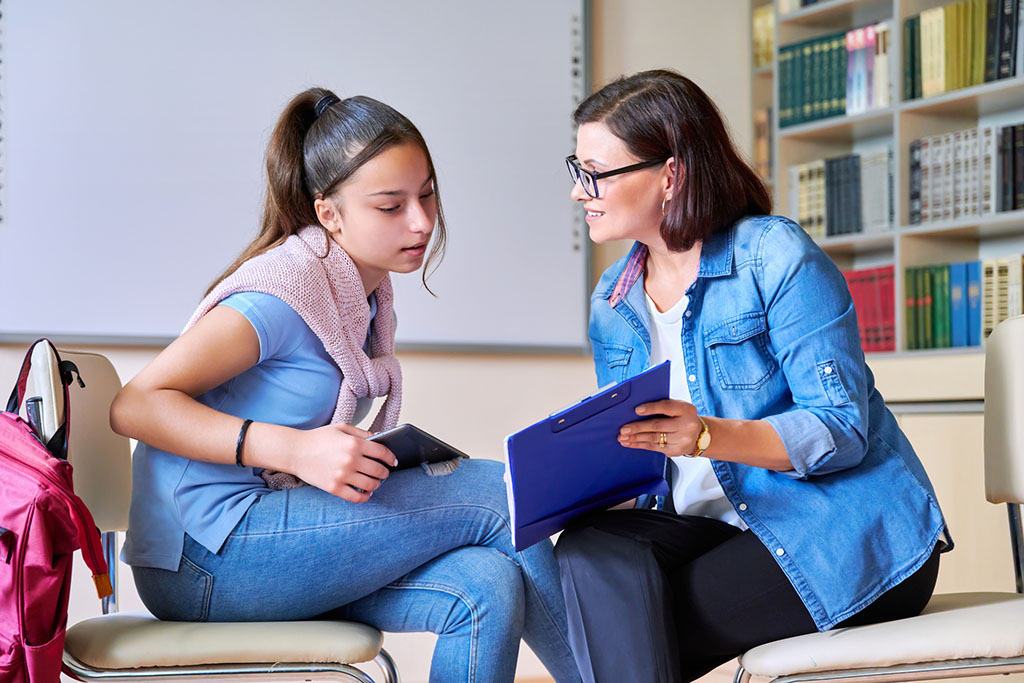
Students learn best when they feel connected. At Score Academy, small classes, mentorship, and intentional community design turn friendship into a driver of academic growth. We’re not just personalized, we’re personal