

Homeschooling in Florida: Requirements, Options, and How Private School Compares
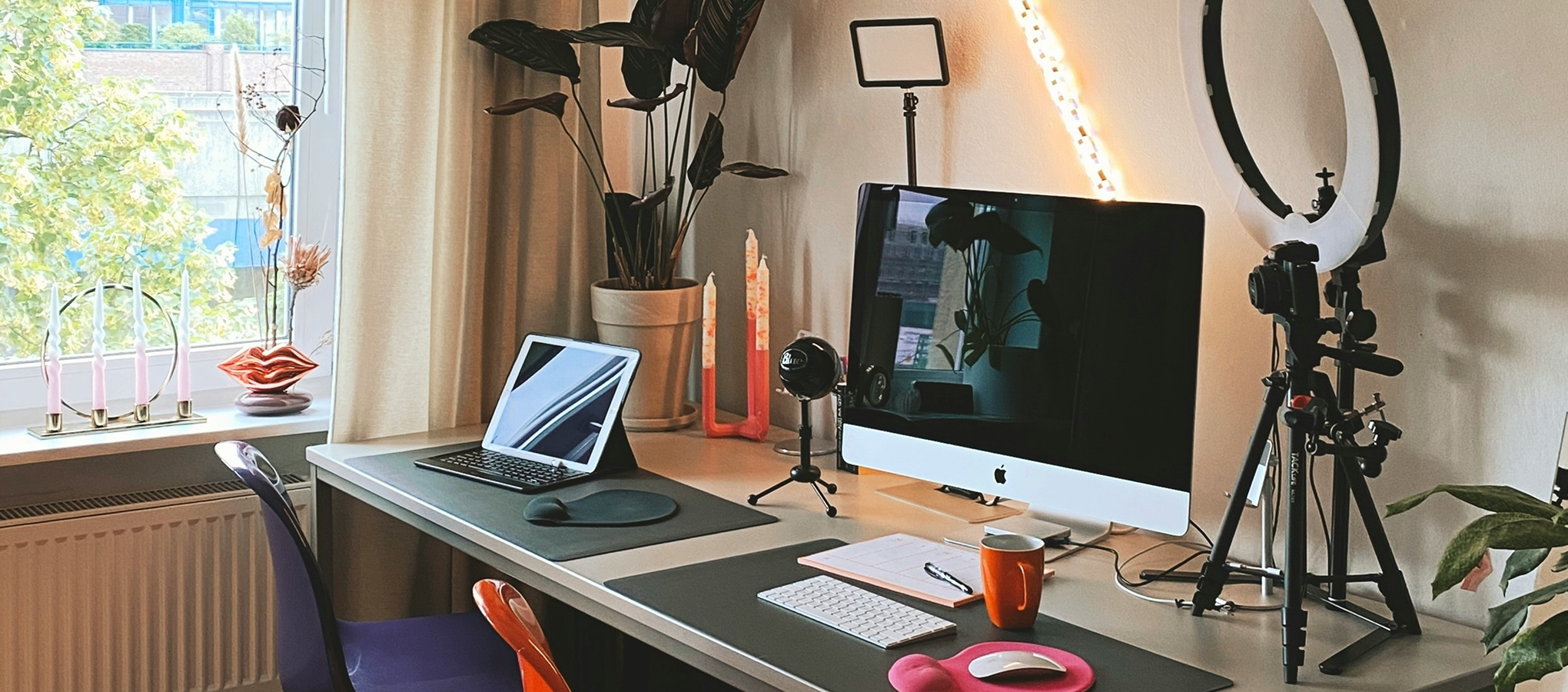
Most parents who start looking into home education in Florida arrive with two assumptions. The first is that the state requires a great deal of paperwork. The second is that the choice in front of them is homeschooling or the school their child is currently in. Neither holds up.
Florida's home education statute sets out three obligations and explicit limits on what a district may ask for, and the law recognizes six different ways to satisfy compulsory attendance, not two. Knowing what is actually required, and what the alternatives actually are, tends to change the decision.
What Florida Law Actually Requires
Home education in Florida is governed by section 1002.41 of the Florida Statutes. A home education program is not a school district program. It is registered with the district superintendent for one reason, which is to comply with the state's attendance requirement.
Three obligations sit on the parent.
Notice of intent. You file a written, signed notice with the superintendent of the county where you live, giving the full legal names, addresses and birthdates of every child in the program. It goes in within 30 days of starting. When you finish, you file a written notice of termination within 30 days, along with that year's evaluation.
A portfolio. You keep a log of educational activities, made as you go rather than reconstructed later, listing reading materials by title, plus samples of writing, worksheets, workbooks or creative work. You decide what goes in it. You keep it for two years and make it available for inspection if the superintendent asks, on 15 days' written notice. The statute does not require the superintendent to inspect it.
An annual evaluation. Once a year you document that your child is progressing at a level commensurate with their own ability, and file a copy with the superintendent's office.
The limits on the district are as important as the obligations, and they are the part parents are least often told about. The superintendent must accept the notice and register the program immediately. The district may not require additional information or verification unless your child opts into a district program or service. It may not assign a grade level or put a social security number in a state database on those same terms. And the statute states directly that a district may not further regulate, control or require documentation from home education families beyond what section 1002.41 itself sets out.
If a district asks for a curriculum plan, attendance records or lesson approvals, that is not a legal requirement. You are not required to hold a teaching certificate either.
The Five Ways to Meet the Annual Evaluation Requirement
The evaluation is where families most often assume testing is compulsory. It is not. The parent chooses the method from five options.
If the evaluation does not show progress commensurate with ability, the superintendent notifies you in writing and you have one year to provide remedial instruction before a reevaluation. Continuation depends on that second result.
Home Education Is One of Six Legal Paths, Not the Only Alternative
Section 1003.01(16) defines regular school attendance, and it lists six ways to achieve it. Families comparing home education against their assigned public school are usually comparing two items on a list of six.
- A public school supported by public funds
- A parochial, religious or denominational school
- A private school supported in whole or in part by tuition, endowments or gifts
- A home education program meeting the requirements of chapter 1002
- A private tutoring program meeting the requirements of chapter 1002
- A Personalized Education Program, registered with a scholarship funding organization
The Personalized Education Program, or PEP, is the newest and the most frequently confused with home education. A PEP student is parent-directed like a home education student but registered with a scholarship funding organization rather than the district, which brings funding and a set of program rules with it. Our post on what a Florida scholarship covers sets out the current award amounts and how PEP sits alongside the other programs.
Where Home Education Works Well, and Where Families Struggle
Home education tends to suit families with a parent who has the time and the inclination to teach, a child who works well with a parent in that role, and a schedule that benefits from being built rather than inherited. Competitive athletes, performers, families who travel, and children recovering from a bad school experience may benefit from that flexibility.
The difficulties tend to cluster in three places, and they show up later rather than at the start.
The first is high school science, mathematics and foreign language, where the parent's own subject knowledge can become a constraint. The second is records. A home education student generally does not receive an official transcript from an accredited school unless they are separately enrolled through one. Colleges, the NCAA and receiving schools each run their own documentation and validation procedures, and a home education applicant works through those rather than submitting a school-issued transcript. Moving into a Florida public middle or high school, courses are validated through performance during the first grading period under the state's uniform transfer rule. The third is the amount of parent time the model consumes, which can be substantial.
None of these argues against home education. They argue for knowing which of them apply to your household before you file the notice.
How a Small Private School Compares on the Same Points
The comparison most families actually want is between the flexibility of home education and the structure of a school, so it is worth being specific about where a small private school lands on each point.
On schedule, a school with rolling enrollment and custom scheduling can offer a good deal of the flexibility home education offers. At Score Academy a family can follow any school's calendar or build their own, and sample schedules show what that looks like in practice for students with training or filming commitments.
On subject depth, a school supplies teachers for the courses a parent cannot reasonably teach, including honors and Advanced Placement work.
On records, a private school issues an official school transcript. When a student later enters a Florida public middle or high school, grades and credits on an official transcript are accepted at face value, although the receiving school's accreditation may require validation. Score Academy is separately accredited by Cognia.
On cost, home education is usually the cheaper option, and that is a real difference rather than one to talk around. Scholarship funding can narrow the gap, but what remains depends on the scholarship, the school, the campus and the program.
What a small school does not replicate is the one-parent-one-child ratio. What it adds is teaching capacity, an official school transcript, and someone other than you responsible for whether the year worked. Families weighing those trade-offs often find the useful next step is seeing a campus rather than reading about one, and our private schools in Miami campus in Coconut Grove runs tours through the year. Our comparison of private and public school in Florida covers the other half of the decision, and if you are considering a move partway through the year, changing schools mid-year covers the mechanics.
Frequently Asked Questions
Do I need a teaching certificate to homeschool in Florida?
No. Section 1002.41 states directly that the parent is not required to hold a valid regular Florida teaching certificate. A certificate is only relevant if you choose the teacher-review or testing route for the annual evaluation, where the teacher conducting or administering it must be certified.
Can my school district require a curriculum plan or attendance records?
No. The statute provides that a district may not further regulate, exercise control over or require documentation from home education parents beyond the requirements of section 1002.41, unless it is necessary for participation in a district program your child has chosen to join. The three requirements are the notice, the portfolio and the annual evaluation.
What happens if we start homeschooling and it does not work?
You file a notice of termination with the superintendent within 30 days, along with that year's evaluation, and enroll your child elsewhere. Moving into a Florida public middle or high school, the state's uniform transfer rule validates courses through performance during the first grading period for home education students. Moving into a private school means that school's own placement process applies, which varies by school.
Is home education the same thing as the Personalized Education Program?
No. Both are parent-directed, but a home education program registers with the district superintendent while a PEP student registers with a scholarship funding organization and receives funding on program terms. They are listed separately in section 1003.01(16) as distinct ways of satisfying compulsory attendance.
Can homeschooled students play school sports or take college courses?
Yes. Section 1002.41 provides for home education students to participate in interscholastic extracurricular activities, dual enrollment and the Bright Futures Scholarship Program, and requires districts to make industry certifications and statewide assessments available to them, with notice of dates and locations.
This article provides general information about Florida law and is not legal advice. Requirements can change, so confirm current rules with your district or the Florida Department of Education before making decisions.